
PLATE SECTION
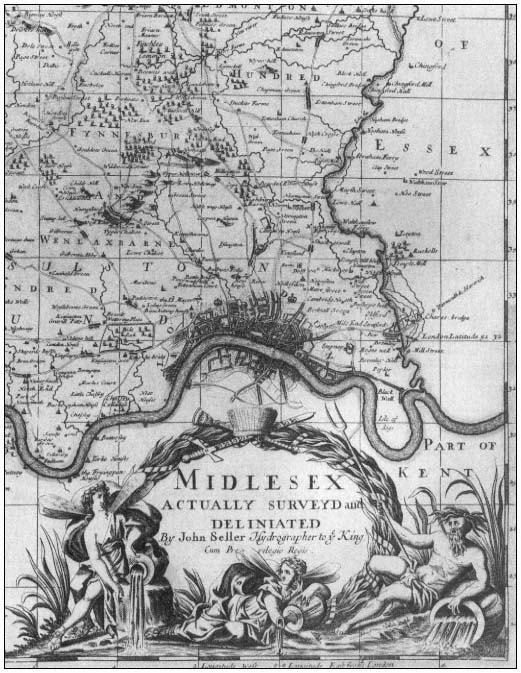
1.
London was the biggest city in Europe but it was still small and compact by modern standards,
as can be seen in this detail from John Seller's 1733 map of Middlesex.
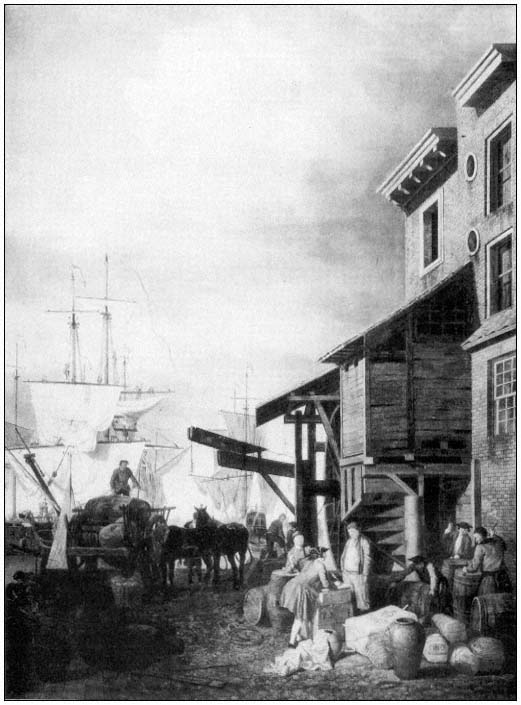
2.
'Custom House Quay', by Samuel Scott.
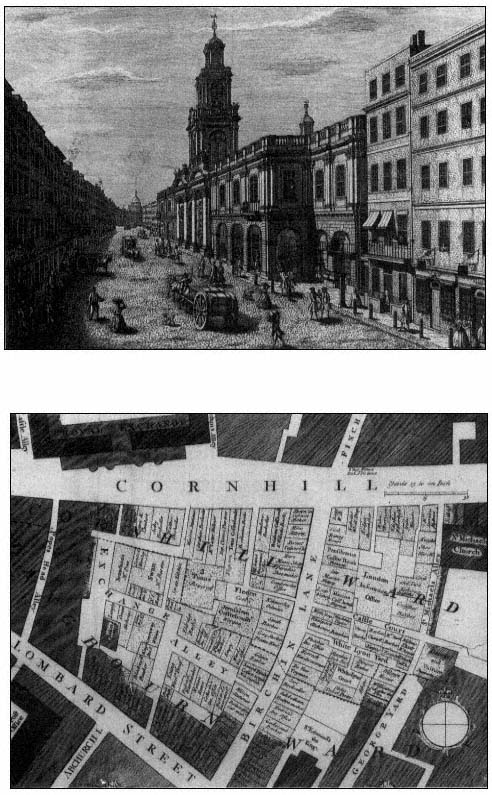
3 & 4.
The heart of commercial London: Cornhill ( below ) and the Royal Exchange (above ).
The houses on the left of the engraving are those shown on the south side of Cornhill in the
street plan.
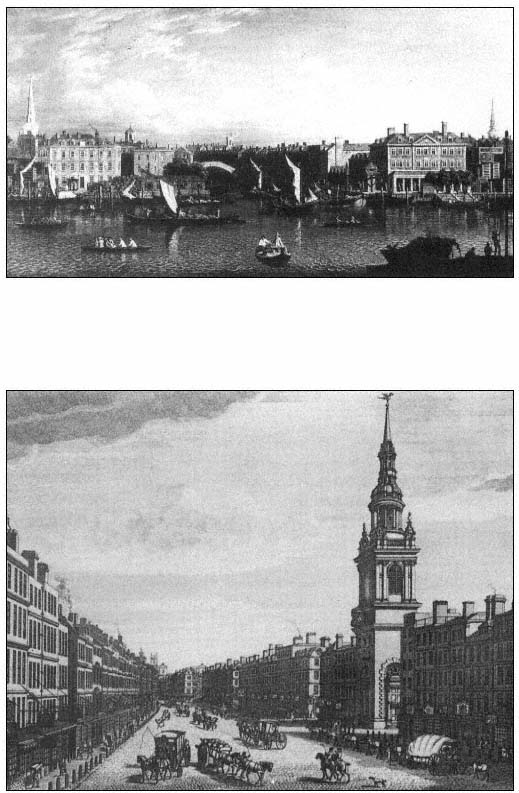
5 & 6.
River and road traffic:
'The Entrance to the Fleet River' by Samuel Scott ( above )
and an engraving of Cheapside, with the Church of St Mary le Bow ( below ).
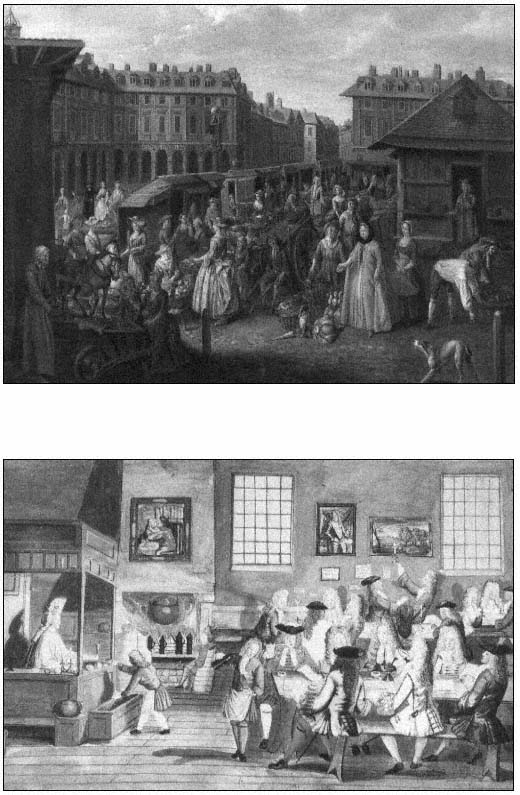
7 & 8.
Two ways of doing business: 'Covent Garden Market', c. 1726–30, by Joseph van Aken ( above )
and a London coffee house, c. 1705 ( below ).
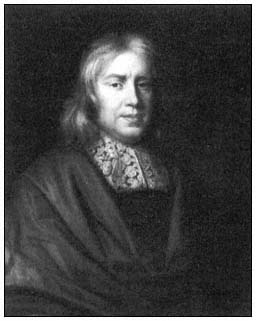
The Faces of the Middle Class
9.
Thomas Sydenham, physician, by Mary Beale, 1688.
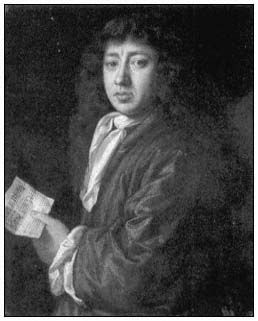
10.
Samuel Pepys, civil servant, by J. Hayls, 1666.
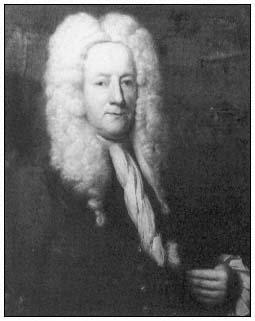
11.
Thomas Guy, bookseller and philanthropist (1644–1724);
artist unknown.
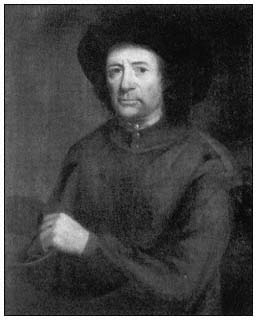
12.
Thomas Britton, 'the musical small-coal man',
by John Wollaston, 1703.
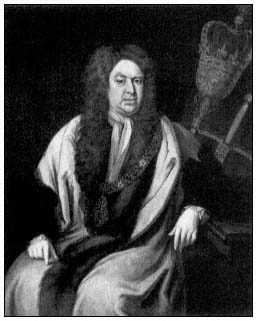
13.
Sir Gilbert Heathcote, merchant
and financier (1651–1733),
by Michael Dahl.
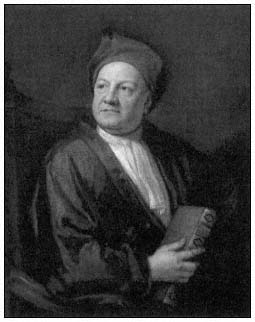
14.
Jacob Tonson, bookseller and publisher,
by Kneller, 1717.
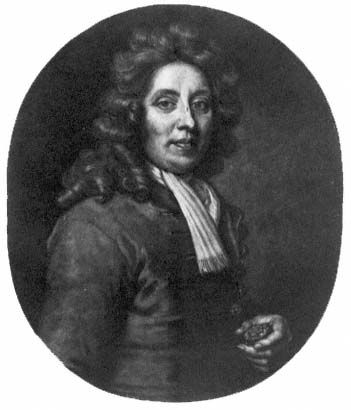
15.
Thomas Tompion, clockmaker (1639–1713),
by John Smith after Kneller.
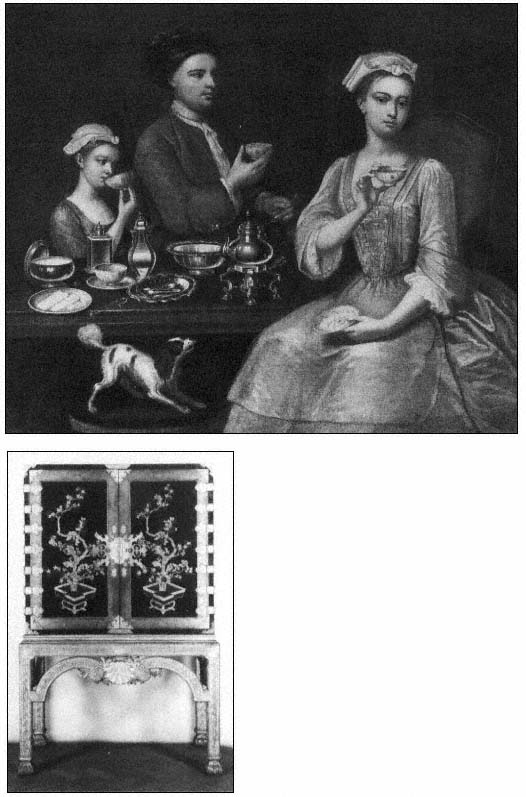
16 & 17.
The influence of the orient on domestic life: 'A Family at Tea', attributed to R. Collins, c.1730, ( above);
lacquered cabinet and stand made in London, c. 1715 ( below ).