
VI
In order to draw reliable historical influences, we would have to submit the grave stelai of other cities to a similar analysis and compare the re-
[73] The statistics are based exclusively on the material published in P.-M. I am indebted to Derk Wilm von Moock for help.
[74] P.-M. nos. 1430, 1432, 1439, 1440f. See also a fine relief recently acquired by the Basel Antikenmuseum. On the "officer's garment," cf. the stele of Polybios: P. C. Bol and F. Eckstein, in Antike Plastik , no. 15, ed. Eckstein (Berlin, 1975), pl. 11.40ff.
[75] Cf. Bieber, Sculpture , fig. 429.
[76] This is particularly true of banquet reliefs, the so-called hero reliefs, and stelai in registers, such as P.-M. 2, pls. 204: 111; 208:1429. But cf. also the relief found in Smyrna, P.-M. no. 647, which combines the heroic type with figure types from the world of the polls.
[77] T. J. Cadoux, Ancient Smyrna (Oxford, 1938).
suits. In so doing we would find that some other cities and regions, such as Delos, Rhodes, Samos, Kyzikos, Byzantium, and the cities of northwest Greece,[78] evolved distinctive sculptural forms and iconographies for funerary reliefs.
In Delos, for example, the iconography of Classical Attic grave reliefs lives on, and we find numerous paired figures turned toward each other and joined in a handshake, women seated on klinai, and (as in Rhodes too) quotations from famous works of art. In Samos, Kyzikos, and Byzantium, the banquet relief is the dominant type, while in Rhodes and Halicarnassus the hero cult becomes a standard type. Here funerary altars to a great extent take the place of stelai. Finally, in Epirus and northwest Greece, stelai do not represent the deceased at all, though they do imply a rich and subtle repertoire of nonfigural motifs.
Trade and commerce notwithstanding, no international iconography from grave reliefs arose. Greek cities of the second century evidently remained, to a considerable degree, culturally closed societies that cherished their own traditions and values.
Yet despite the variety of iconographical patterns in individual cities, many of the same ideas and values inform the reliefs from disparate areas. Both the Delian stelai and the banquet reliefs celebrate the new paradigm of the intellectual. The seated women on the stelai from Delos, even in their classicistic poses, are creatures of luxury so symptomatic of the new age; and the banquet reliefs, with furniture and table prominently displayed, offer a perfect opportunity to advertise a family's prosperity.[79]
Stelai similar to those from Smyrna have been found in many other places, of course, especially in the nearby cities, but also in some more distant areas. Thanks largely to a shared Greek heritage, elements of the pictorial vocabulary were apparently understood everywhere, making possible the export of stelai and the use in other cities of symbols favored in Smyrna or vice versa. Unfortunately, the means of transmission can hardly be reconstructed, but this is not crucial for our purpose here.
What is, however, striking and calls for an explanation is the fact that the banquet relief, which comprises the majority of the reliefs in nearby cities like Kyzikos, is completely absent from the second-century stelai from Smyrna. The widespread popularity of the banquet relief,[80] hark-
[78] Cf. the references in Schmalz, Griechische Grabreliefs , XIV. See also R. Horn, Samos XII: Hellenistische Bildwerke auf Samos (Bonn, 1972), and, for Kyzikos, E. Schwertheim, Die Inschriften yon Kyzikos und Umgebung (Bonn, 1980).
[79] E.g., P.-M. 2, nos. 1526 (Samos), 1544 (Erythrai), 1883 (Samos), 1908 (Teos), 1915f. (Samos), 1961.
[80] See P.-M. 2:353ff.
ing back to an ancient tradition, as well as the Hellenistic funerary altar, would require an extensive separate investigation. The use of the ritual meal as a setting is in itself almost emblematic of the new sense of withdrawal into the private sphere. The return to a heroic image may reveal private religious beliefs which now come to the surface with the decline in interest in the community of the polis. In any event, a shift in values toward the private sphere and the life of pleasure seems to me unmistakable. The sharply increased interest in the luxurious furnishings of private houses in this same period is consistent with such a trend.[81]
The contrast in self-image between a citizenry that prefers to represent itself in death with the standard type of the banquet relief and the people of Smyrna, who instead put their communal values in the foreground, may at first seem considerable. But most likely the absence of banquet reliefs in Smyrna has no relevance to the actual importance of hero cult in the city.[82] Rather, in Smyrna the image presented in funerary art was simply considered a more public, "political" matter than elsewhere, so that the banquet relief was perhaps considered too "private" a form for this purpose. In other words, the Smyrnaeans attached great importance to the perpetual evocation of their collective norms and values and, at the same time, to the suppression of the private and personal sphere in funerary imagery. As the popularity of the banquet relief and funerary altar elsewhere shows, this had already become a rather conservative attitude. The adherence in Smyrna to the values of the polis, especially in the statue types, seems somewhat forced. There is a sense of beliefs that feel threatened. It seems to me symptomatic of greater changes that the imagery of stelai like those from Smyrna so quickly disappeared after the Mithridatic wars, while the banquet relief still had a long life ahead of it.
[81] M. Kreeb, Untersuchungen zur figürlichen Ausstattung delischer, Privathäuser (Chicago, 1988).
[82] It is interesting to note, in this regard, that there are a few reliefs that incorporate elements of the iconography of hero reliefs, such as P.-M. 1, nos. 647 and 693 (with a horse head) and 1096 (a small predella panel with veneration of a hero).
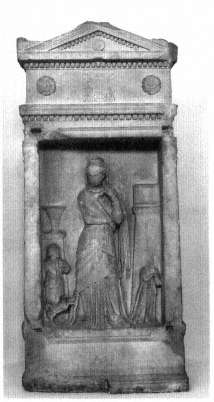
1.
Oxford, Ashmolean Museum; P.-M. no. 435.
Courtesy of Ashmolean Museum.
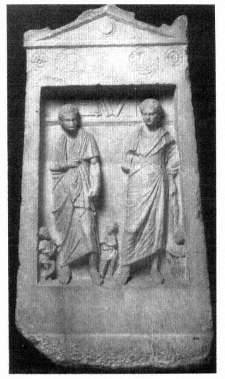
2.
Leiden, Rijksmuseum, inv. no. Pb. 25; P.-M. no. 341. Kommission
zur Erforschung des antiken Städtewesens/Bayerische
Akademie der Wissenschaften, Munich; photo by V. Brinkmann.
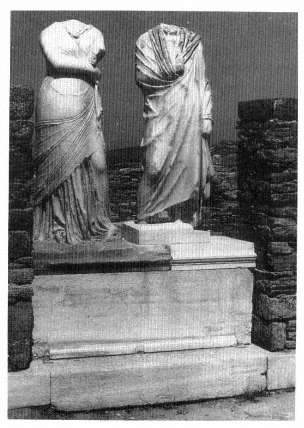
3.
Delos, House of Cleopatra, portraits of Kleopatra and Dioskourides,
138/7 BC, in situ. Courtesy of École Française d'Archéologie, Athens.
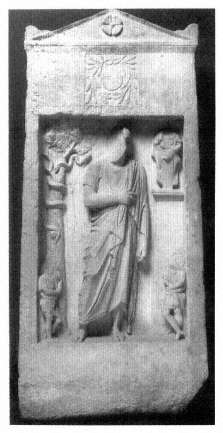
4.
Leiden, Rijksmuseum, inv. no. S.N. Ns. 1; P.-M. no. 256. Kommission zur Erforschung des
antiken Städtewesens/Bayerische Akademie der Wissenschaften, Munich; photo by V. Brinkmann.
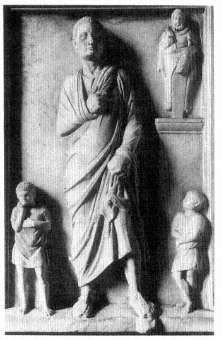
5.
Ince Blundell Hall; P.-M. no. 161. Courtesy of
Deutsches Archäologisches Institut, Berlin.
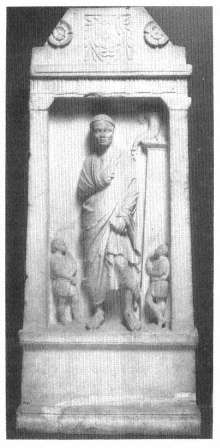
6.
Leiden, Rijksmuseum, inv. no. Pb. 27;
P.-M. no. 170. Kommission zur Erforschung
des antiken Städtewesens/Bayerische Akademie der
Wissenschaften, Munich; photo by V. Brinkmann.
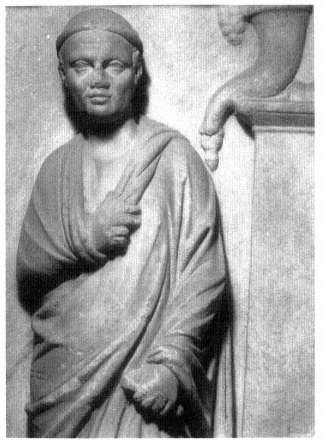
7.
Detail of fig. 6.
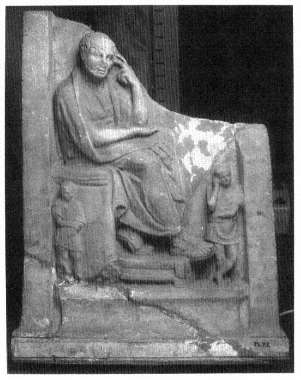
8.
Leiden, Rijksmuseum, inv. no. Pb. 75; P.-M. no. 831. Kommission zur Erforschung des
antiken Städtewesens/Bayerische Akademie der Wissenschaften, Munich; photo by V. Brinkmann.
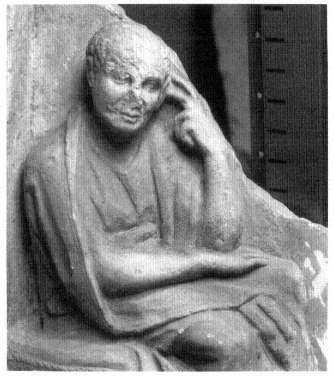
9.
Detail of fig. 8.
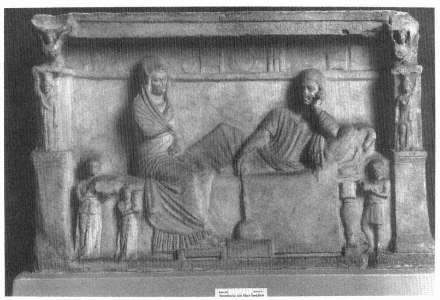
10.
Istanbul, Archaeological Museum, inv. no. 4845; P.-M. no. 2034. Courtesy of Deutsches Archäologisches Institut, Berlin.
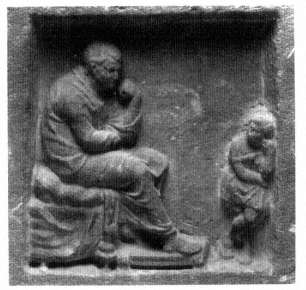
11.
Leiden, Rijksmuseum, inv. no. S.N. Ns. 2 (detail); P.-M. no. 830. Kommission zur Erforschung
des antiken Städtewesens/Bayerische Akademie der Wissenschaften, Munich; photo by V. Brinkmann.
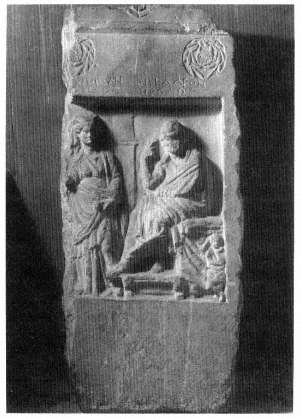
12.
Winchester College; P.-M. no. 855. Courtesy of Deutsches Archäologisches Institut, Berlin.
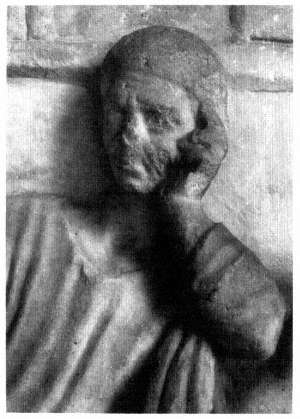
13.
Detail of fig. 10.
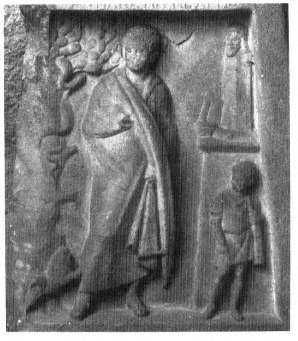
14.
Leiden, Rijksmuseum, inv. no. L 91/8.3 (detail); P.-M. no. 114. Kommission zur Erforschung
des antiken Städtewesens/Bayerische Akademie der Wissenschaften, Munich; photo by V. Brinkmann.
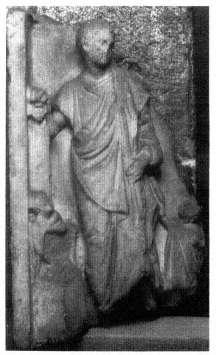
15.
Leiden, Rijksmuseum, inv. no. Pb. 77; P.-M. no. 132. Kommission zur Erforschung des
antiken Städtewesens/Bayerische Akademie der Wissenschaften, Munich; photo by V. Brinkmann.
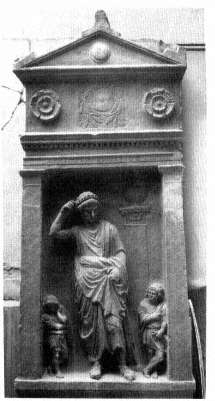
16.
Oxford, Ashmolean Museum, inv. no. 1947.271; P.-M. no. 149.
Courtesy of Deutsches Archälogisches Institut, Berlin.
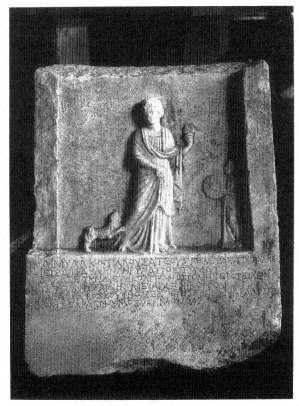
17.
Formerly Izmir, Protestant School; P.-M. no. 392. Courtesy of Deutsches Archäologisches Institut, Berlin.
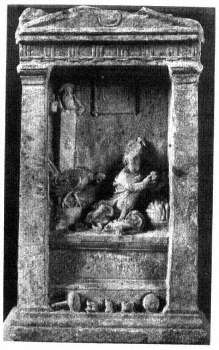
18.
Paris, Louvre; P.-M. no. 804. Courtesy of Deutsches Archäologisches Institut, Berlin.
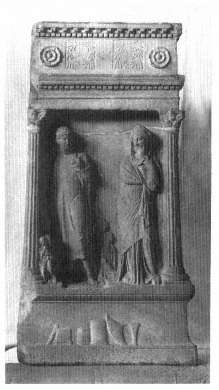
19.
Oxford, Ashmolean Museum; P.-M. no. 539.
Courtesy of Deutsches Archäologisches Institut, Berlin.
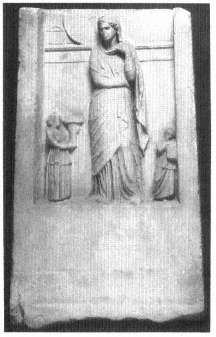
20.
Leiden, Rijksmuseum, inv. no. Pb. 26A; P.-M. no. 437. Kommission zur
Erforschung des antiken Städtewesens/Bayerische Akademie
der Wissenschaften, Munich; photo by V. Brinkmann.
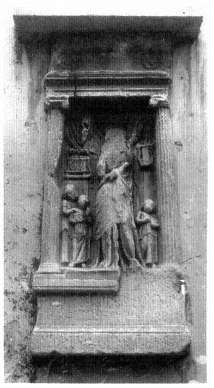
21.
Formerly Izmir, Armenian School; P.-M. no. 415.
Courtesy of Deutsches Archäologisches Institut, Berlin.
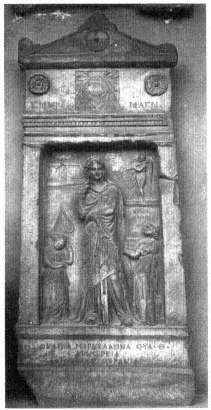
22.
Verona, Museo Maffeiano; P.-M. no. 414.
Courtesy of Deutsches Archäologisches Institut, Berlin.
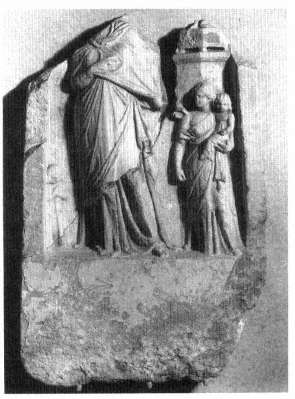
23.
Madrid, Museo Arqueologico Nacional; P.-M. no. 382.
Courtesy of Deutsches Archäologisches Institut, Berlin.
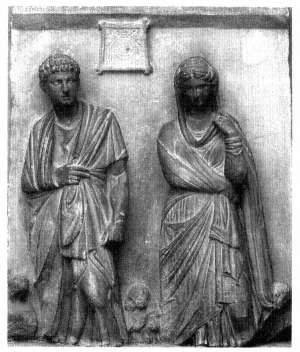
24.
Vienna, Kunsthistorisches Museum, inv. no. 1052; P.-M. no. 567.
Courtesy of Deutsches Archäologisches Institut, Berlin.
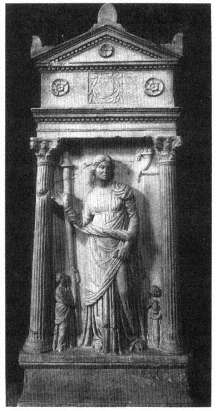
25.
Berlin, Staatliche Museen, inv. no. Sk. 767; P.-M. no. 405.
Courtesy of Deutsches Archäologisches Institut, Berlin.
26.
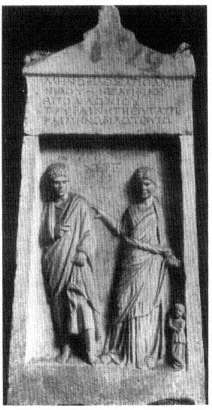
Vienna, Cemetery of Grinzing; P.-M. no. 524.
Courtesy of Deutsches Archäologisches Institut, Berlin.
27.
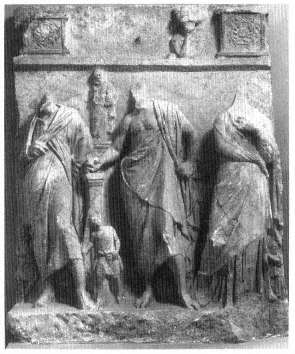
Izmir, Kulturpark, inv. no. 519; P.-M. no. 646.
Courtesy of Deutsches Archäologisches Institut, Berlin.
28.
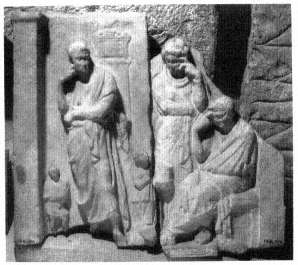
Leiden, Rijksmuseum, inv. no. L.K.A. 1170; P.-M. no. 861.
Kommission zur Erforschung des antiken Städtewesens/Bayerische
Akademie der Wissenschaften, Munich; photo by V. Brinkmann.
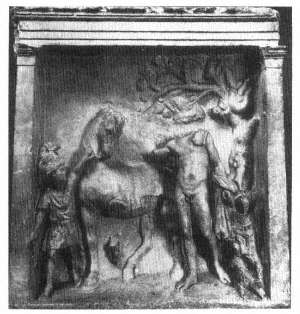
29.
Berlin, Staatliche Museen, inv. no. Sk. 809; P.-M. no. 1439. See P.-M. pl. 210: 1439.